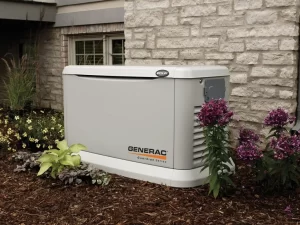
When the lights go out unexpectedly, it’s easy to feel overwhelmed. Power outages caused by winter storms and other severe weather events affect millions of homeowners each year. While we can’t control the weather, we can ensure you’re prepared, starting with a reliable home standby generator. As winter is already showing its teeth, we want all our customers to remember how to keep their generator ready.
Clark Sales and Service has helped customers stay safe and comfortable by providing expert support for their backup power systems. Here’s a simple step-by-step guide to keep your home standby generator ready when you need it most.
Step 1: Know Your Generator and Keep Your Keys Handy
Take some time to familiarize yourself with your entire backup power system—including your generator, transfer switch, energy management tools, and any monitoring apps you’re using. Your owner’s manual is a great resource, and our knowledgeable Clark Sales team is always available to answer questions.
Don’t forget to locate your generator locking keys—they’re often needed for maintenance or emergency access.
Step 2: Monitor Alerts and Notifications
Look for any warning lights on your generator. Red LEDs indicate critical alarms, while yellow LEDs are maintenance reminders. If you have a Mobile Link system, you can check these alerts remotely through your phone or computer. Address any warnings before severe weather hits to ensure your system is in top condition. If you’re unsure what to do, contact Clark Sales and Service for expert help.
Step 3: Clear the Area Around Your Generator
Make sure your generator has at least three feet of clearance on all sides for proper airflow and easy access. Remove any leaves, branches, shrubs, or snow that might block ventilation or service access. Also, check inside the generator enclosure for debris like sticks, leaves, or dirt that could interfere with its operation
Step 4: Inspect Your Generator Systems
Battery: Check the battery charge and clean any corrosion on the terminals. Expect batteries to last 3–5 years before replacement.
Air Filter: Inspect for dirt or damage; replace if necessary.
Fuel and Oil Lines: Look for leaks and fix any issues promptly.
Spark Plugs: Ensure the gap is correct and replace if worn.
Sediment Trap: If accessible, clean out sediment buildup.
Step 5: Keep an Eye on Oil Levels and Fuel Supply
If your generator runs for extended periods during an outage, check oil levels every 24 hours to prevent engine damage. Consider stocking extra oil ahead of severe weather seasons so you’re prepared.
For new generators, purchased less than 25 hours before an expected outage, use a special oil and filter kit designed for the break-in period.
If your system uses liquid propane (LP), regularly verify the tank’s capacity. Adding a cellular tank monitor can make this effortless by sending real-time fuel levels to your phone—and directly alerting your propane supplier when it’s time to refill.
Count on Clark Sales and Service to Keep You Powered
Severe weather can strike without warning, but with the right preparation, you won’t have to worry about losing power. At Clark Sales and Service, we’re here to help you maintain your home standby Generac generator and ensure it’s ready when you need it most.